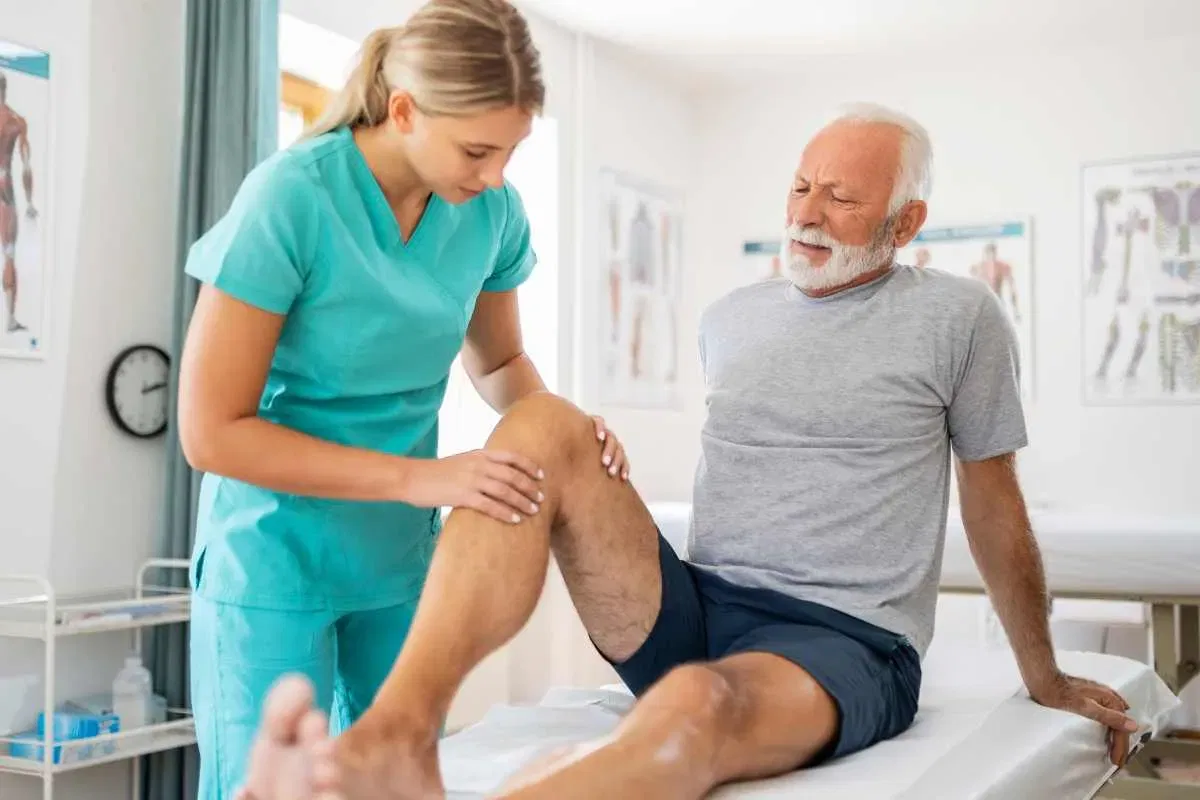
Joint pain affects millions of people across all age groups and lifestyles. Whether caused by aging, arthritis, injury, overuse, or chronic inflammation, persistent joint discomfort can interfere with mobility, work, exercise, and daily activities. For many individuals, the fear of surgery becomes a major concern once joint pain begins affecting quality of life.
Fortunately, surgery is not always the only solution. Many cases of joint pain can be managed effectively through non-surgical treatments, lifestyle adjustments, physical therapy, and preventive care. Advances in rehabilitation, pain management, and movement science have expanded the number of options available for people seeking relief without invasive procedures.
Understanding how to manage joint pain conservatively can help improve mobility, reduce discomfort, and support long-term joint function while avoiding unnecessary surgical risks.
Understanding Joint Pain
Joints are the areas where bones connect and move against one another. They rely on cartilage, ligaments, tendons, muscles, and synovial fluid to function properly.
Joint pain may affect:
- Knees
- Hips
- Shoulders
- Hands
- Ankles
- Elbows
- Spine
Pain can range from mild stiffness to severe chronic discomfort that limits movement.
Common Causes of Joint Pain
Several conditions can contribute to joint problems.
Osteoarthritis
Osteoarthritis is one of the most common causes of chronic joint pain. It occurs when cartilage gradually wears down over time.
Symptoms often include:
- Stiffness
- Swelling
- Reduced mobility
- Pain during movement
Rheumatoid Arthritis
Rheumatoid arthritis is an autoimmune condition where the immune system attacks joint tissues, causing inflammation and pain.
Injury and Overuse
Sports injuries, repetitive movements, and physical strain can damage joints and surrounding tissues.
Tendonitis and Bursitis
Inflammation involving tendons or fluid-filled bursae may cause localized pain and restricted movement.
Excess Body Weight
Carrying extra weight places added pressure on weight-bearing joints, especially the knees and hips.
Why Many People Want to Avoid Surgery
Joint replacement and orthopedic surgeries can be effective in severe cases, but they also involve:
- Recovery time
- Rehabilitation
- Surgical risks
- Financial costs
- Potential complications
Many individuals prefer conservative treatment approaches before considering invasive procedures.
Non-surgical management may:
- Improve mobility
- Reduce pain
- Slow joint deterioration
- Delay or eliminate the need for surgery
Physical Therapy as a First-Line Treatment
Physical therapy is one of the most effective non-surgical approaches for joint pain management.
A physical therapist evaluates:
- Strength
- Flexibility
- Balance
- Movement patterns
- Joint stability
Customized exercise programs help restore function while reducing stress on affected joints.
Strengthening Supporting Muscles
Weak muscles increase pressure on joints. Strengthening nearby muscle groups improves support and stability.
Examples include:
- Quadriceps strengthening for knee pain
- Core strengthening for spinal issues
- Shoulder stabilization exercises
Better muscular support often reduces pain during daily movement.
Improving Mobility and Flexibility
Tight muscles and stiff connective tissues can worsen joint discomfort.
Stretching and mobility exercises may:
- Improve range of motion
- Reduce stiffness
- Enhance circulation
- Improve posture
Gentle movement is often more beneficial than prolonged inactivity.
The Importance of Low-Impact Exercise
Many people avoid exercise because they fear worsening their pain. However, controlled movement is essential for joint health.
Low-impact exercise helps:
- Maintain flexibility
- Strengthen muscles
- Support weight management
- Improve circulation
- Reduce stiffness
Best Low-Impact Activities for Joint Health
Helpful exercise options include:
- Walking
- Swimming
- Cycling
- Water aerobics
- Elliptical training
- Yoga
- Pilates
Water-based exercise is especially beneficial because buoyancy reduces pressure on joints while allowing movement.
Weight Management and Joint Pain Relief
Body weight significantly affects joint stress.
Excess weight increases pressure on:
- Knees
- Hips
- Ankles
- Lower back
Even modest weight loss may improve symptoms considerably.
Research shows that reducing body weight can:
- Decrease inflammation
- Improve mobility
- Lower joint strain
- Slow cartilage degeneration
Weight management is often one of the most effective long-term strategies for reducing chronic joint pain.
Anti-Inflammatory Nutrition for Joint Health
Diet plays an important role in inflammation and joint function.
Certain foods may worsen inflammation, while others support recovery and tissue health.
Foods That May Help Reduce Inflammation
Helpful anti-inflammatory foods include:
- Fatty fish
- Olive oil
- Nuts and seeds
- Fruits and vegetables
- Whole grains
- Beans and legumes
Omega-3 fatty acids may support joint comfort and immune balance.
Foods That May Worsen Inflammation
Some highly processed foods may contribute to inflammatory responses.
These include:
- Sugary beverages
- Fried foods
- Excessive processed meat
- Refined carbohydrates
Balanced nutrition supports both joint health and overall wellness.
Heat and Cold Therapy
Temperature-based therapies can help manage symptoms naturally.
Cold Therapy
Cold packs may reduce:
- Swelling
- Acute inflammation
- Numb pain sensations
Cold treatment often works best after activity or injury flare-ups.
Heat Therapy
Heat helps:
- Relax muscles
- Improve blood flow
- Reduce stiffness
Warm baths, heating pads, and warm compresses may improve comfort before exercise or movement.
Medications for Non-Surgical Joint Pain Management
Medications may help reduce symptoms when used appropriately.
Over-the-Counter Pain Relievers
Common options include:
- Acetaminophen
- Nonsteroidal anti-inflammatory drugs
These medications may reduce pain and inflammation temporarily.
Topical Treatments
Creams and gels containing:
- Menthol
- Capsaicin
- Anti-inflammatory ingredients
can provide localized symptom relief.
Prescription Medications
In some cases, physicians may prescribe:
- Stronger anti-inflammatory drugs
- Muscle relaxants
- Disease-modifying medications for autoimmune conditions
Medication plans should always be monitored by healthcare professionals.
Joint Injections and Regenerative Therapies
Some individuals benefit from minimally invasive procedures that avoid surgery.
Corticosteroid Injections
Steroid injections may temporarily reduce inflammation and pain inside affected joints.
These are often used for:
- Knee arthritis
- Shoulder inflammation
- Hip pain
However, repeated injections may have limitations.
Hyaluronic Acid Injections
These injections aim to improve joint lubrication and cushioning.
They are commonly used for knee osteoarthritis.
Platelet-Rich Plasma Therapy
Platelet-rich plasma therapy uses components from the patient’s own blood to support tissue healing.
Research is ongoing regarding its long-term effectiveness.
The Role of Proper Footwear and Support
Footwear affects alignment throughout the body.
Poor support can increase stress on:
- Knees
- Hips
- Spine
Supportive shoes may improve:
- Balance
- Shock absorption
- Walking mechanics
Orthotics or shoe inserts may help some individuals improve posture and reduce joint strain.
Managing Joint Pain Through Better Posture
Posture influences joint stress during sitting, standing, and movement.
Poor posture may:
- Increase spinal pressure
- Tighten muscles
- Alter movement patterns
- Contribute to chronic pain
Improving posture through ergonomic adjustments and strengthening exercises can reduce unnecessary joint strain.
Sleep and Recovery Matter
Poor sleep often worsens pain sensitivity and inflammation.
Healthy sleep supports:
- Tissue repair
- Hormonal balance
- Muscle recovery
- Immune function
People with chronic pain frequently experience sleep disturbances, creating a cycle that worsens symptoms.
Improving sleep habits may help reduce overall discomfort.
Stress and Chronic Joint Pain
Mental stress can increase muscle tension and pain perception.
Stress may worsen:
- Inflammatory responses
- Sleep quality
- Physical tension
- Fatigue
Stress management techniques may include:
- Meditation
- Deep breathing
- Counseling
- Relaxation exercises
- Gentle physical activity
Emotional well-being strongly affects chronic pain management.
Alternative Therapies for Joint Pain
Some people explore complementary therapies alongside traditional treatment.
Acupuncture
Acupuncture may help reduce pain perception and muscle tension for some individuals.
Massage Therapy
Massage may:
- Improve circulation
- Reduce muscle tightness
- Promote relaxation
Chiropractic Care
Some individuals with spinal or mobility issues seek chiropractic treatment, although suitability varies depending on the condition.
Alternative therapies should complement, not replace, evidence-based medical care.
When Surgery May Still Be Necessary
While many cases improve with conservative treatment, surgery may become necessary when:
- Joint damage is severe
- Mobility becomes extremely limited
- Pain significantly affects quality of life
- Conservative treatments fail
Examples include:
- Advanced joint degeneration
- Severe structural injuries
- Significant cartilage loss
A medical specialist can determine whether surgery is appropriate.
Preventing Future Joint Problems
Prevention is one of the most important aspects of long-term joint health.
Stay Physically Active
Regular movement keeps joints lubricated and muscles strong.
Maintain a Healthy Weight
Reducing unnecessary joint stress supports long-term mobility.
Avoid Repetitive Overuse
Proper technique and rest periods help protect joints during physical activity.
Build Strength Gradually
Progressive strength training improves stability and resilience.
Address Pain Early
Ignoring minor discomfort may allow problems to worsen over time.
The Emotional Impact of Chronic Joint Pain
Chronic pain affects more than physical movement.
Long-term discomfort may contribute to:
- Anxiety
- Depression
- Social withdrawal
- Reduced independence
Support systems, therapy, and active pain management can improve emotional well-being alongside physical recovery.
Conclusion
Managing joint pain without surgery is possible for many individuals through a combination of movement, physical therapy, weight management, nutrition, and lifestyle changes. Non-surgical approaches often improve mobility, reduce inflammation, and support long-term joint function while helping people maintain independence and quality of life.
The key to successful joint pain management is consistency. Small daily habits such as staying active, strengthening muscles, improving posture, and supporting recovery can make a significant difference over time.
Although surgery may still be necessary in severe cases, many people can successfully manage symptoms and delay invasive procedures through comprehensive conservative care. Understanding the underlying causes of joint pain and taking proactive steps early often leads to better long-term outcomes.
FAQ
1. Can joint pain improve without surgery?
Yes. Many cases of joint pain respond well to physical therapy, exercise, weight management, medications, and lifestyle changes.
2. Is exercise safe for people with arthritis?
In most cases, yes. Low-impact exercise helps improve mobility, strengthen muscles, and reduce stiffness when performed appropriately.
3. Does losing weight really reduce joint pain?
Yes. Reducing excess body weight lowers pressure on weight-bearing joints and may significantly improve mobility and pain levels.
4. Are joint supplements effective?
Some individuals report benefits from supplements such as glucosamine or omega-3 fatty acids, although scientific results vary.
5. How long does physical therapy take to improve joint pain?
Improvement timelines vary depending on the condition, severity, and consistency of treatment, but many people notice benefits within several weeks.
6. Can poor posture contribute to joint problems?
Yes. Poor posture can increase stress on joints and surrounding muscles, contributing to chronic discomfort over time.
7. When should someone seek medical care for joint pain?
Medical evaluation is important if pain is severe, persistent, worsening, associated with swelling, or limiting normal daily activities.