Types of Laser Hair Removal Treatments Explained
Unwanted body hair has been a common concern for people across all age groups and lifestyles. Over time, many hair removal methods have emerged, ranging from simple temporary solutions to advanced medical procedures designed for long-term results. Understanding the different types of laser hair removal treatments and related methods helps individuals choose the option best suited to their skin type, hair growth pattern, and personal comfort.
Hair removal treatments can broadly be classified into temporary methods, permanent solutions, hair regrowth inhibitors, experimental or banned treatments, and methods with unproven effectiveness. Each category has its own advantages, limitations, and suitability depending on individual needs.
Temporary Hair Removal Treatments
Temporary hair removal methods focus on removing visible hair from the skin surface or slightly below it. These treatments do not affect the hair follicle permanently, which means hair regrows after a short period.
Depilation Methods
Depilation removes hair at the skin’s surface and is among the most commonly used approaches.
-
Shaving involves cutting hair using manual or electric razors. It is quick and painless but requires frequent repetition.
-
Hair removal creams and powders dissolve hair chemically at the skin surface. While effective, they may cause irritation for sensitive skin types.
-
Friction-based methods, such as using rough gloves or pads, remove hair through abrasion. These methods are less precise and may irritate the skin if overused.
Epilation Methods
Epilation removes hair from the root, providing smoother results for a longer duration compared to depilation.
Plucking
Individual hairs are removed using tweezers. This method is precise but time-consuming and best suited for small areas like eyebrows.
Waxing
Hot or cold wax is applied to the skin and removed quickly using cloth or paper strips, pulling hair out from the roots. Waxing offers longer-lasting smoothness but can be uncomfortable.
Sugaring
A natural alternative to waxing, sugaring uses a sticky paste made from sugar-based ingredients. It removes hair in a similar way to waxing and is often considered gentler on the skin.
Threading
Threading removes hair using twisted cotton threads. It is commonly used for facial hair and eyebrow shaping and offers precise results.
Epilators
Epilators are electrical devices with rotating tweezers that pull hair out from the root. They provide long-lasting results but may cause discomfort, especially during initial use.
Ingrown Hair and Skin Concerns
Ingrown hairs are a common side effect of epilation methods such as waxing, threading, and plucking. They occur when hair grows back into the skin rather than outward, leading to redness, irritation, and small bumps.
Treatment options include:
-
Gentle exfoliation to remove dead skin cells
-
Use of sterile tools to release trapped hair
-
Application of salicylic acid solutions to reduce inflammation and prevent blockage of hair follicles
Proper skin care before and after hair removal significantly reduces the risk of ingrown hairs.
Permanent Laser Hair Removal Treatments
Permanent hair removal methods aim to reduce or stop hair regrowth by targeting the hair follicle itself. These treatments are typically performed by trained professionals using specialised equipment.
Laser Hair Removal
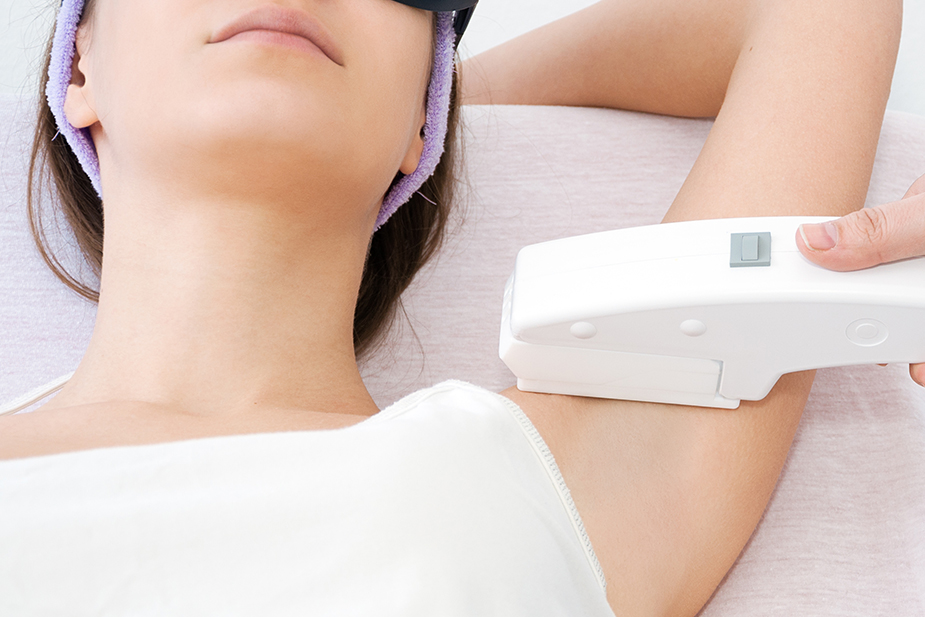
Laser hair removal uses concentrated light energy to target pigment within hair follicles. The heat damages the follicle, slowing or preventing future hair growth while leaving surrounding skin largely unharmed.
This treatment is most effective on individuals with darker hair and lighter skin, although newer technologies have expanded suitability across more skin tones. It is commonly used for larger areas such as the legs, back, chest, and arms. Due to its effectiveness and precision, laser hair removal London clinics are widely recognised for offering advanced equipment and medically supervised procedures.
Multiple sessions are usually required to achieve optimal results, as hair grows in cycles. While the treatment can cause mild discomfort, most people tolerate it well.
Electrolysis
Electrolysis involves inserting a fine needle into the hair follicle and applying an electrical current to destroy it. This method is suitable for all hair colours and skin types but is time-intensive, making it more practical for small areas.
Flash Lamp Light Treatment
Also known as intense pulsed light therapy, this method uses broad-spectrum light to target hair follicles. While similar to laser treatment, it is generally less precise and may require more sessions.
Hair Regrowth Inhibitor Treatments
Hair regrowth inhibitors work by slowing down or suppressing hair growth rather than removing existing hair.
-
Topical enzyme-based medications reduce the activity of enzymes responsible for hair growth.
-
Prescription creams containing ingredients such as eflornithine hydrochloride help slow facial hair growth over time.
These treatments are often used alongside laser or other hair removal methods to improve long-term results.
Experimental or Banned Hair Removal Treatments
Some hair removal techniques have been abandoned due to safety concerns.
-
X-ray hair removal was once used but discontinued due to severe health risks.
-
Photodynamic treatments, originally designed for medical conditions such as cancer, have proven unsafe for cosmetic hair removal purposes.
Such treatments can damage skin, cause long-term health complications, and are not recommended under any circumstances.
Doubtful and Unproven Methods
Several hair removal methods lack sufficient scientific evidence to support their effectiveness.
These include:
-
Electric tweezers claiming follicle destruction
-
Transdermal and transcutaneous electrolysis
-
Microwave-based devices
-
Dietary supplements and topical non-prescription formulations
While marketed widely, these methods often fail to deliver consistent or lasting results.
Choosing the Right Hair Removal Treatment
Selecting the right hair removal option depends on factors such as skin sensitivity, hair thickness, treatment area, budget, and desired longevity of results. Temporary methods offer convenience, while permanent treatments provide long-term reduction when performed correctly and safely.
Consulting trained professionals and understanding the science behind each method ensures better outcomes and reduces the risk of skin damage or irritation.