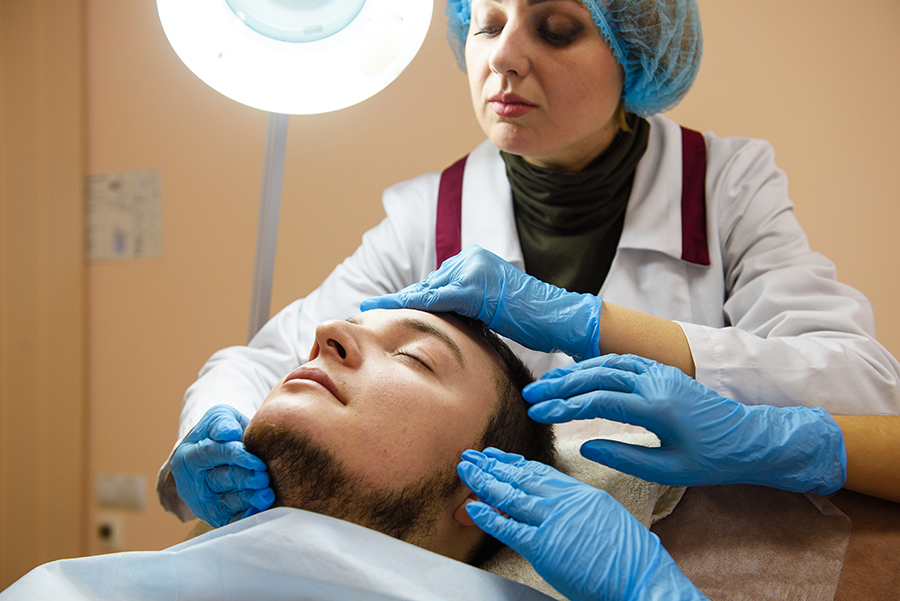
Hair restoration is never only a technical decision from the clinic’s side. For the patient, it is also about visibility, confidence, daily routine, and how easily the treatment fits into real life. That is one reason interest in long hair DHI has increased among people who want a more discreet path to treatment. It combines the appeal of keeping existing hair length with a method often associated with careful placement and a more refined approach to restoring thinning areas.
Some Patients Want Precision As Much As Privacy
When people start researching hair restoration, they quickly realise that not every procedure feels the same in practice. Some are drawn mainly by the long-term promise of regrowth. Others are equally focused on what happens during and after the procedure, how natural the placement will look, how visible the treatment will be, and how much disruption it creates.
That is where long-hair approaches paired with direct implantation become especially appealing. Patients are often looking for two things at once: discretion and control. They do not just want hair restored. They want it restored in a way that respects their current appearance and keeps the process feeling manageable.
This matters because hair loss is rarely only a cosmetic issue. It affects how people present themselves at work, in relationships, and in everyday social settings. A treatment approach that supports privacy while also giving careful attention to placement can feel far better suited to the concerns patients actually have.
Why Placement Is Such A Big Part Of Natural Results
A good transplant result depends on more than filling an area. Hairline design, angle, direction, spacing, and density all influence whether the final look feels believable. This is especially important in visible areas such as the frontal hairline, temples, and zones where existing longer hair still frames the face.
With DHI-style implantation, patients are often attracted by the idea of controlled placement. That does not mean the method is automatically right for everyone, but it does explain why it appeals to people who are thinking carefully about detail. In hair restoration, the small decisions matter. A few degrees in angle or a slight change in direction can affect how naturally the hair sits once it grows.
For patients keeping their hair longer during treatment, that precision feels even more relevant. The goal is not only eventual growth. It is also the integration of transplanted grafts into an existing hairstyle, so the restored areas work with the patient’s natural pattern rather than fighting against it.
Longer Hair Changes The Patient Experience
One of the strongest reasons patients ask about long-hair procedures is simple: they do not want the treatment to announce itself. Many people have spent years styling around thinning areas. They know how their hair falls, where volume is lost, and how they prefer to wear it. A conventional shaved approach can feel emotionally jarring because it strips away that familiar presentation all at once.
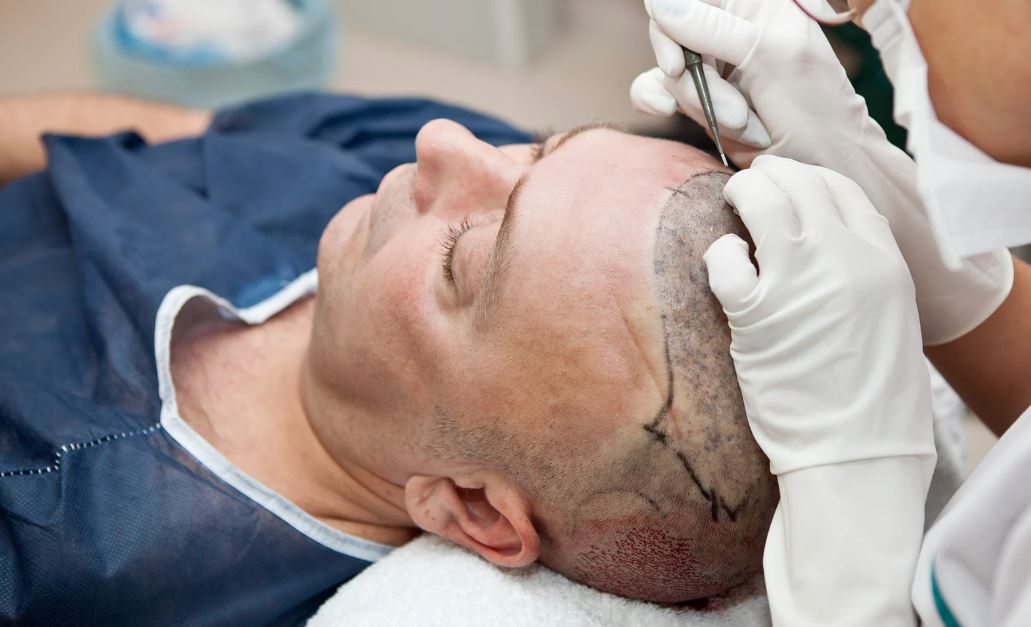
Keeping the hair longer can soften that transition. The patient still undergoes a medical procedure, of course, but the experience can feel less exposing. For someone in a public-facing role, in a busy office, or simply private by nature, that can be a major relief.
There is also a psychological side to this. Patients often feel more comfortable going through treatment when they do not feel they have to temporarily become someone else in the mirror. A long-hair approach helps preserve continuity, and that can make the entire process feel more approachable from consultation through to recovery.
Suitability Still Comes Down To Clinical Judgment
It is important not to treat long hair DHI as a fashionable label rather than a genuine treatment choice. Like all forms of hair restoration, it depends on proper planning and patient suitability. Hair characteristics, the strength of the donor area, the degree of hair loss, and the overall restoration goal all need to be assessed carefully.
Some patients are excellent candidates because they need focused work in visible areas and place a high value on discretion. Others may need a different approach based on scale, density goals, or the structure of their hair loss. This is why good consultation matters so much. The right clinic does not simply offer the method the patient asks for. It evaluates whether that method supports a sound and realistic result.
That balance is essential. Patients deserve an approach that suits their lifestyle, but the treatment still has to stand up clinically. When both sides align, the result is far more likely to feel satisfying in both the short and long term.
Why This Option Appeals To Image-Conscious Patients
There is a clear reason this kind of treatment attracts professionals, public-facing individuals, and patients who simply care a great deal about appearance during recovery. They are not being vain or unrealistic. They are recognising that the process matters as well as the outcome.
For many, the biggest barrier to treatment is not fear of the procedure itself. It is fear of the obvious in-between stage. Long hair DHI can feel like a better answer because it respects the reality that patients still have meetings, social plans, travel, and daily life to navigate while the restoration process unfolds.
That does not make it a shortcut. It remains a carefully planned medical treatment. What it offers, for the right patient, is a more discreet and aesthetically considered route through that journey.
Hair restoration becomes much easier to pursue when the method reflects not just the pattern of hair loss, but the person living with it. Long hair DHI appeals because it sits at that intersection, combining attention to placement with a greater sense of continuity and privacy. For patients who want natural-looking restoration without letting the whole world see every stage of the process, that can make the decision feel far more achievable.