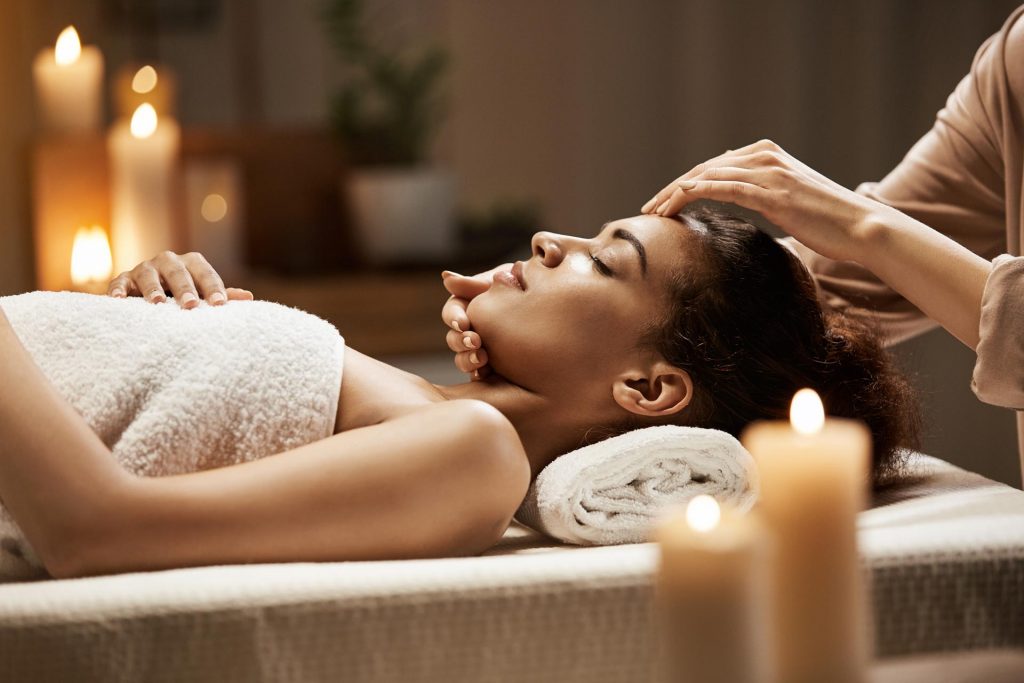
Modern routines can leave the body carrying tension long before people notice it properly. Long working hours, travel, exercise, poor posture and constant screen use can all build up in the shoulders, back, neck and legs. A considered Thai massage and spa experience can give people a structured way to slow down, release physical pressure and reset both body and mind.
Tension Often Builds Gradually
Many people only book a massage once discomfort becomes obvious. By that point, stiffness may already have built up over weeks or months. Tight shoulders, heavy legs, lower back discomfort and reduced flexibility can all come from repeated habits rather than one clear incident.
This is why massage can be useful as part of a regular wellbeing routine, not only as an occasional treat. It gives the body a chance to recover from small stresses before they become harder to manage.
A spa visit also creates a clear pause. Instead of trying to relax while still checking messages or rushing between tasks, the setting encourages people to step away from normal pressure for a defined period of time.
Thai Massage Has A Practical Purpose
Thai massage is often associated with relaxation, but it is also a highly physical treatment style. It may involve pressure, stretching and movement designed to work through tension and support flexibility.
This makes it especially useful for people who feel stiff from sitting for long periods, travelling, standing all day or exercising regularly. The treatment can help the body feel less restricted, particularly when delivered by a therapist who understands how to adapt pressure and pace.
The aim should not be to force the body into discomfort. A good session works with the person’s condition on the day, balancing firmness with care.
The Spa Environment Supports The Treatment
The surroundings matter because relaxation is not purely physical. A calm reception, clean treatment room, quiet atmosphere and thoughtful service all help the nervous system settle before the massage begins.
This can make the treatment more effective. When someone arrives stressed or distracted, it may take time for the body to relax. A good spa environment helps create that transition, allowing guests to leave the noise of the day behind.
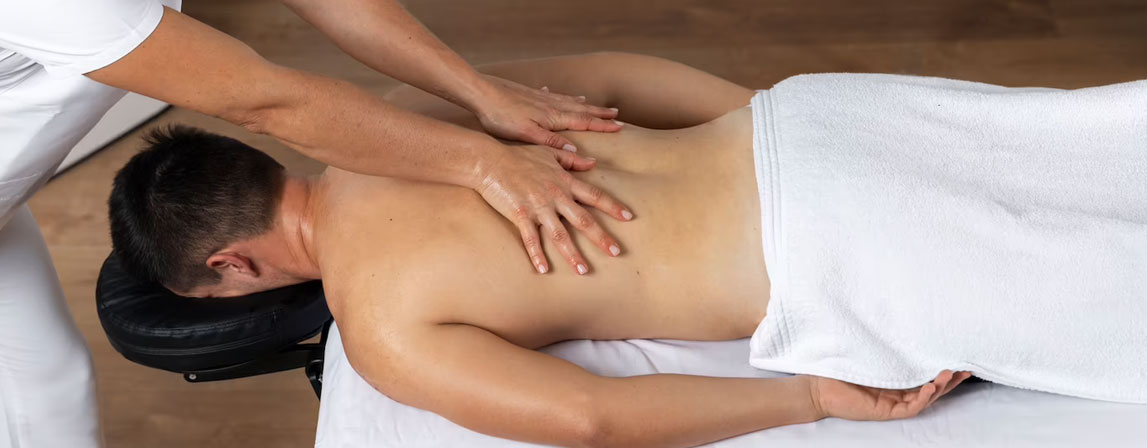
Small details such as lighting, temperature, scent and privacy contribute to the overall result. They make the session feel less like a rushed appointment and more like a complete recovery experience.
Choosing The Right Treatment Matters
Not every massage style suits every need. Someone with general fatigue may want a different experience from someone with deep muscle tension. A person recovering from travel may need work on the legs and back, while someone with office-related stiffness may want more focus on the neck and shoulders.
Guests should think about what they want from the visit before choosing a treatment. Is the priority relaxation, flexibility, tension relief or simply quiet time? Clear expectations make it easier to choose the right option and communicate with the therapist.
It is also important to mention injuries, sensitivity or medical concerns before the session. This helps the therapist adjust the treatment safely and appropriately.
Recovery Should Continue Afterwards
A spa visit does not have to end the moment the treatment finishes. Drinking water, avoiding immediate rushing and giving the body time to settle can help extend the benefits.
Some people may feel energised after massage, while others feel sleepy or calm. Both responses can be normal. The important thing is to listen to the body rather than moving straight back into a packed schedule.
A good Thai massage and spa experience is not only about easing tension during the appointment. It is about giving the body and mind a proper break. When planned thoughtfully, it can become a valuable part of staying well, especially for people whose daily routines rarely leave enough space for recovery.