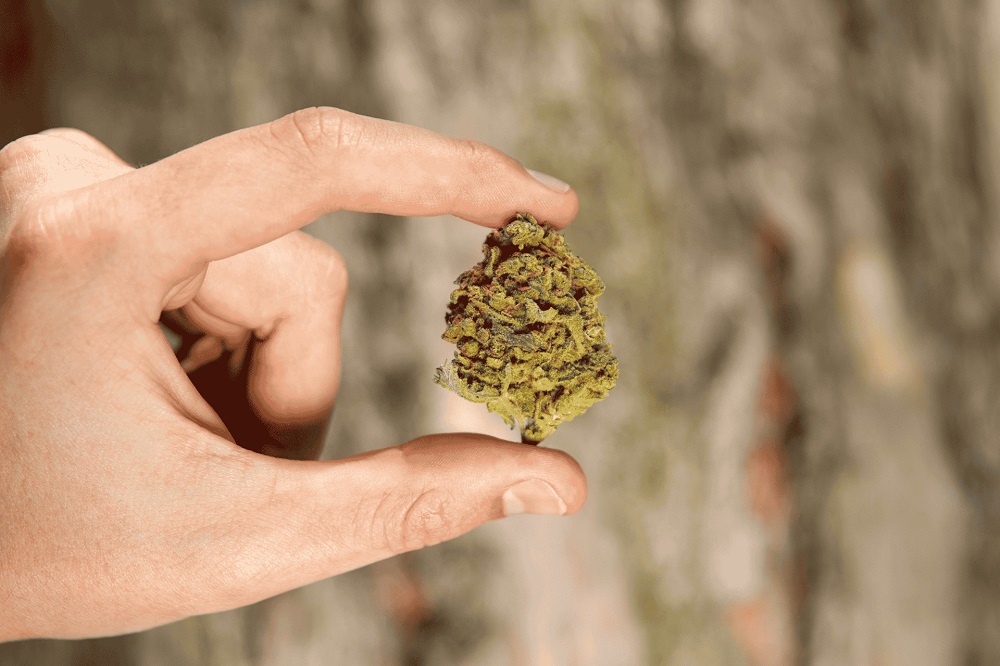
People often ask what is the best strain of cannabis, but the better question is what product is suitable for the individual, the setting and the intended purpose. There is no single “best” option for everyone, because effects can vary depending on cannabinoid content, terpene profile, tolerance, health, experience and local legal requirements.
Names Alone Do Not Tell The Whole Story
Strain names can be memorable, but they do not always provide enough useful information. The same name may be used differently by different growers or sellers, and products can vary from batch to batch. Relying only on a name can lead to assumptions that may not match the actual product.
A more useful approach is to look at the available product information. THC and CBD levels, terpene profile, freshness, testing information and intended use can all be more helpful than the name alone. This gives customers a better sense of what they are considering.
It is also worth being cautious with broad categories. Labels such as indica, sativa or hybrid are often used in consumer language, but they do not guarantee a specific experience. Individual chemistry and product composition matter.
Strength Is Not The Same As Suitability
Some people assume the strongest product must be the best. That is a poor way to choose. Higher potency may increase the chance of unwanted effects, especially for people with lower tolerance or limited experience. A product that is too strong for the individual may feel uncomfortable rather than beneficial.
Suitability depends on context. Someone may want something milder, more balanced or better suited to a particular time of day. Others may need to avoid certain products because of health, medication, anxiety, travel plans or personal sensitivity.
A careful choice starts low in expectation rather than chasing intensity. Customers should seek appropriate guidance where needed and avoid mixing cannabis with alcohol, driving or other risky situations.
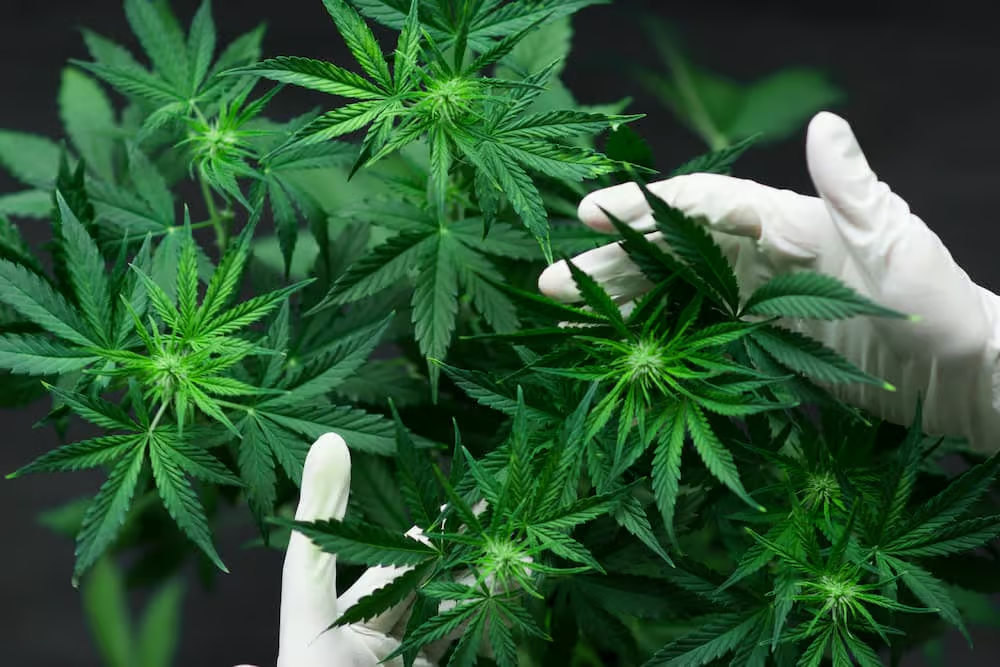
Testing And Transparency Are More Useful Than Reputation
A popular product is not automatically the right product. Reputation can help people discover options, but testing and clear information are more reliable. Customers should look for products with transparent details rather than relying only on word of mouth.
Testing can help confirm cannabinoid content and provide more confidence about what is being purchased. This is particularly important in markets where products may vary widely or where customers are trying to compare several options.
The best choice is usually the one that is clearly described, legally available, appropriate for the person and supported by reliable information. Hype should be less important than clarity.
The Best Option Is Personal And Responsible
There is no universal winner. A suitable product for one person may be a poor choice for another. Tolerance, body chemistry, experience, setting and reason for use all affect the outcome.
Anyone considering cannabis should stay within local law, avoid unsafe situations and seek medical advice where health conditions or medications are involved. Responsible choice means being informed, cautious and realistic.
Rather than asking for the best strain in general, it is better to ask what product is appropriate for the situation. That shift leads to safer, more thoughtful decisions and a better understanding of what product information actually matters.