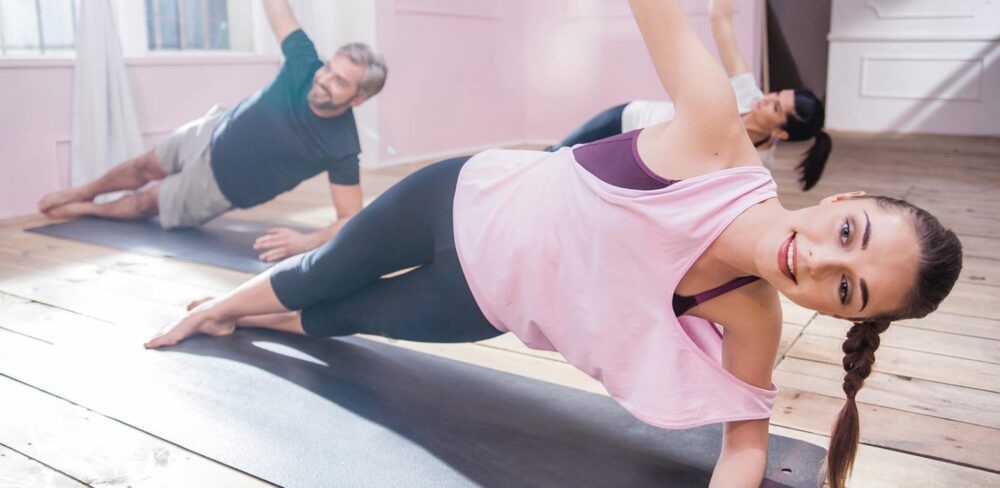
In a fast-paced city like Singapore, where long hours at a desk and urban stress take a toll on both posture and physical vitality, many people are turning to hybrid fitness programmes that offer more than just calorie burn. One such transformative approach is yogalates Singapore — a mindful blend of yoga and Pilates that specifically targets the core while improving flexibility, balance, and body alignment.
Unlike traditional fitness routines, Yogalates uses an integrative technique to strengthen deep stabilising muscles, align the spine, and condition the body holistically. It is particularly effective for individuals seeking to correct poor posture, manage back pain, or enhance overall body awareness without overexertion or injury risk.
Understanding the Core in Yogalates
When people hear “core”, they often think of abdominal muscles. However, the core encompasses much more — it includes the muscles of the pelvic floor, lower back, diaphragm, and glutes. Yogalates places strategic emphasis on activating these muscle groups through controlled breathing and deliberate movement.
- Transversus Abdominis Activation: The deepest abdominal muscle, crucial for spinal stability and posture.
- Pelvic Floor Engagement: Essential for core control and often overlooked in typical workouts.
- Glute Strengthening: Encourages upright posture and reduces lower back strain.
Each Yogalates class integrates these aspects with fluid transitions, allowing the body to build endurance and flexibility simultaneously.
Posture Correction: A Scientific Perspective
Many Singaporeans suffer from forward head posture, rounded shoulders, and lower back tightness due to desk-bound routines. Yogalates helps counteract these imbalances by re-educating the body on how to hold itself properly.
Key techniques include:
- Spinal Alignment Cues: Instructors guide students through neutral spine positioning to prevent over-arching or slumping.
- Shoulder Blade Stabilisation: Movements like scapular retraction retrain the upper back to hold better alignment.
- Controlled Breathwork: Supports trunk stability, enhances oxygen flow, and calms the nervous system.
These cumulative effects gradually reduce postural dysfunctions that can otherwise lead to chronic pain or muscular imbalances.
The Mind-Body Connection in Core Training
One of the hallmarks of Yogalates is its deep focus on intentionality. Movements are never rushed; instead, they require complete presence and awareness of alignment, breath, and engagement. This conscious connection between body and mind enhances the results of core training and sets Yogalates apart from high-impact exercises.
For example:
- Low-impact sequences allow recovery while still working the muscles deeply.
- Breath synchronisation boosts neuromuscular control and reduces cortisol (stress hormone) levels.
- Body scanning during class helps individuals identify asymmetries and work on correcting them in real time.
Such principles make Yogalates especially beneficial for older adults, postpartum mothers, and beginners who need a safe yet effective entry point into functional fitness.
Benefits Specific to Singapore Lifestyle
With the demanding lifestyle in Singapore, many seek exercise modalities that provide mental relaxation along with physical results. Yogalates fits seamlessly into this context due to its:
- Time efficiency: Classes usually last between 45 to 60 minutes, offering a full-body workout without requiring hours in the gym.
- Accessibility: You don’t need prior yoga or Pilates experience, making it ideal for diverse age groups and fitness levels.
- Stress management: Combining breathwork with movement helps reduce mental fatigue after long workdays.
Moreover, studios like Yoga Edition have made Yogalates accessible across various neighbourhoods in Singapore, offering professional instruction in serene environments.
Key Components of a Yogalates Routine
A typical Yogalates session focuses on full-body integration, but with a recurring spotlight on core and postural alignment. Here’s a breakdown of the routine elements:
- Warm-Up and Breathing: Prepares the body and brings awareness to the breath.
- Standing Sequences: Strengthen legs, activate glutes, and challenge balance.
- Mat Core Series: Incorporates planks, bridges, and leg lifts with spinal control.
- Mobility Drills: Hip openers and spinal twists to enhance flexibility.
- Mindful Cool-Down: Ends with diaphragmatic breathing and body scanning.
Each component is crafted to serve a dual purpose — strengthening muscles and rewiring the nervous system to support better posture naturally.
Why Core Strength Matters More Than You Think
Strengthening your core isn’t just about aesthetics or building abs. In Yogalates, core development is viewed as the foundation for everything from daily movement to injury prevention.
Core Strength Benefits:
- Improved balance and coordination
- Reduced risk of lower back injury
- Greater endurance for other physical activities
- Enhanced digestion due to improved spinal health
- Better breathing patterns from diaphragm training
These gains are particularly relevant in Singapore’s urban context, where many individuals juggle sedentary desk jobs with occasional high-intensity weekend activities.
Incorporating Yogalates into a Weekly Routine
To get the most benefit from Yogalates, consistency is key. You don’t need to attend daily classes — even two sessions a week can create visible improvements in posture, flexibility, and muscular tone within a few months.
Pairing Yogalates with light cardio (e.g., walking, cycling) and mindful eating can amplify the results further. Those with sedentary work setups may also find it helpful to incorporate short mobility drills learned in class into their daily work breaks.
Who Should Try Yogalates?
Yogalates is suitable for almost anyone, but especially beneficial for:
- Working professionals with back or neck discomfort
- Postpartum mothers looking to rebuild core strength
- Older adults managing balance and joint issues
- Beginners wanting a safe yet comprehensive introduction to movement
It offers a refreshing departure from repetitive gym routines and invites individuals to move with greater purpose and awareness.
Frequently Asked Questions (FAQ)
Q1. I have no yoga or Pilates experience. Can I still join Yogalates classes in Singapore?
Absolutely. Most Yogalates sessions are beginner-friendly. Instructors guide students step-by-step, adjusting difficulty based on individual levels. Studios like Yoga Edition offer foundational classes perfect for first-timers.
Q2. How long does it take to see changes in posture and core strength?
With consistent attendance (2–3 times a week), many students notice improvement in posture, reduced back pain, and better balance within 4–6 weeks. Progress depends on personal commitment and body condition.
Q3. Is Yogalates effective for weight loss?
While it isn’t a high-intensity workout, Yogalates improves muscle tone and metabolic function. When combined with cardio and a balanced diet, it supports sustainable weight management.
Q4. What should I bring to a Yogalates class in Singapore?
A yoga mat, water bottle, towel, and comfortable activewear. Some studios provide mats and props, but it’s best to check in advance. Arrive 10 minutes early to settle in and centre yourself.
Q5. Can Yogalates help with recovery from injuries or surgery?
Yes, but always consult your physiotherapist or doctor first. Yogalates is gentle and can be adapted for rehabilitation, making it suitable for those recovering from musculoskeletal conditions.
Incorporating yogalates Singapore into your lifestyle isn’t just about fitness — it’s a pathway to improved posture, stronger movement, and calmer living. As the practice gains popularity across the island, more individuals are discovering the transformative power of moving with purpose and precision. Whether you’re a corporate professional or a stay-home parent, Yogalates offers a grounding, healing space to reconnect with your body and build lasting strength.