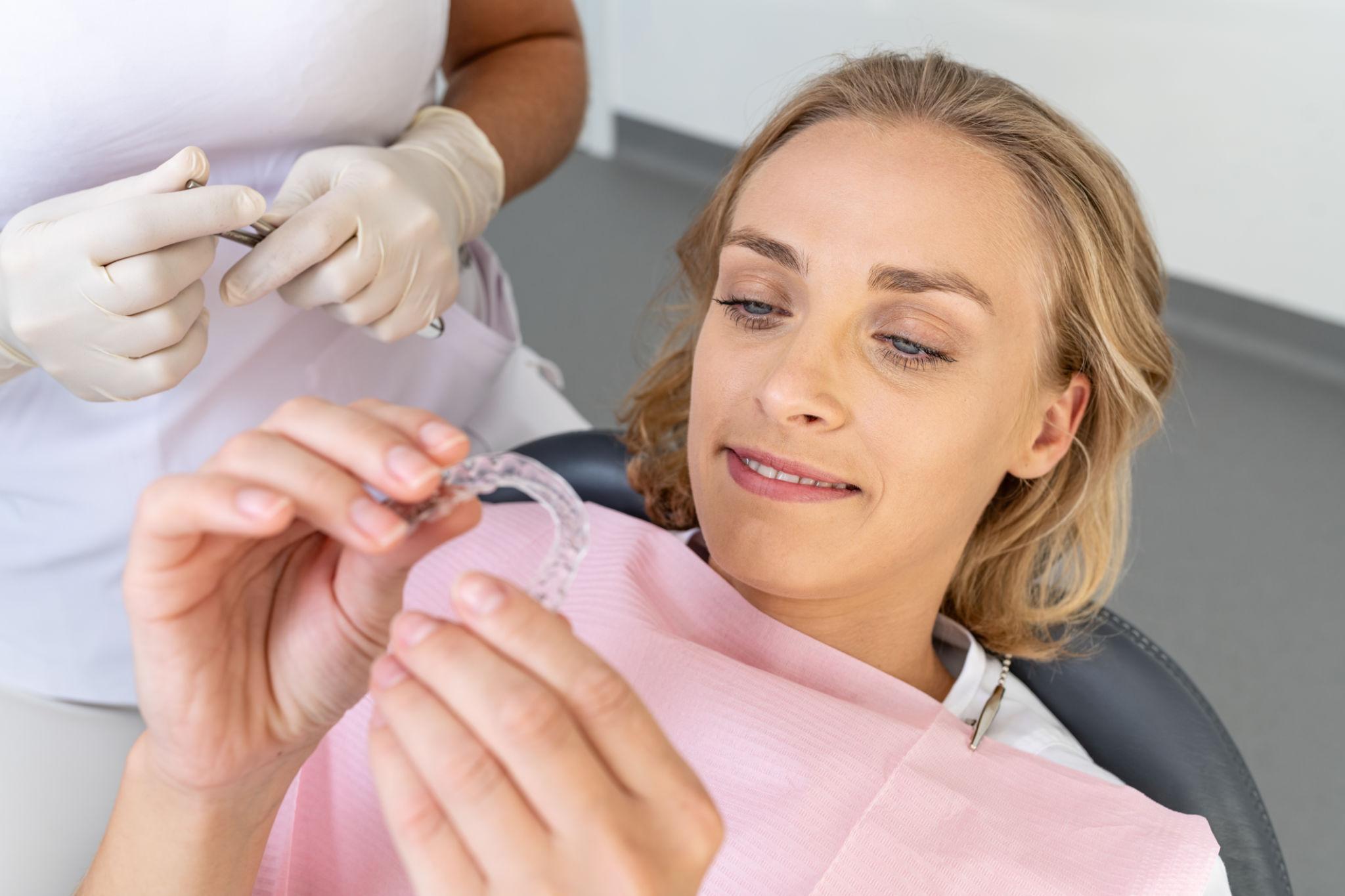
Adult dentistry has undergone a major transformation over the past two decades, and one of the biggest driving forces behind that change is Invisalign treatment. Once associated mostly with teenagers, orthodontic care is now increasingly popular among adults who want straighter teeth without the appearance and inconvenience of traditional braces.
Clear aligner systems have reshaped how adults approach cosmetic dentistry, oral health, and long-term dental care. Invisalign, in particular, has become one of the most recognized names in modern orthodontics because it combines aesthetics, convenience, and advanced technology in ways that appeal strongly to working professionals and older patients.
As dental technology continues evolving, Invisalign trends are influencing not only smile aesthetics but also treatment planning, patient expectations, and the broader future of adult dentistry.
Why More Adults Are Choosing Invisalign
For many years, adults delayed orthodontic treatment because they did not want noticeable metal braces affecting their appearance or professional image. Invisalign changed that perception by offering a more discreet alternative.
Several factors now drive adult demand for clear aligners.
Increased Focus on Appearance
Social media, video calls, and digital communication have made people more aware of their smiles than ever before. Adults often seek cosmetic improvements that look natural and professional.
Clear aligners are attractive because they:
- Are nearly invisible
- Fit comfortably
- Avoid metal brackets and wires
- Allow more confidence during social interactions
Many adults view Invisalign as a practical cosmetic investment rather than simply an orthodontic treatment.
Growing Awareness of Oral Health
Straight teeth are not only about appearance. Proper alignment can improve oral hygiene and reduce long-term dental complications.
Misaligned teeth may contribute to:
- Uneven wear
- Jaw strain
- Gum recession
- Difficulty cleaning between teeth
- Increased plaque buildup
Adults increasingly recognize that orthodontic correction supports both aesthetics and preventive dental health.
Flexible Treatment for Busy Lifestyles
Traditional braces often require more frequent adjustments and dietary restrictions. Invisalign aligners fit more easily into modern lifestyles.
Benefits include:
- Removable trays
- Easier brushing and flossing
- Fewer emergency dental visits
- No restrictions on most foods
This flexibility appeals strongly to professionals, parents, and adults with demanding schedules.
Digital Dentistry Is Driving Invisalign Growth
One of the biggest trends transforming adult dentistry is the rise of digital treatment planning. Invisalign relies heavily on advanced scanning and imaging technology.
3D Scanning Replacing Traditional Impressions
Traditional dental impressions were often uncomfortable and messy. Modern Invisalign systems now use digital intraoral scanners to create precise 3D models of the teeth.
Advantages of digital scanning include:
- Faster appointments
- Improved comfort
- Better treatment accuracy
- Reduced human error
Patients can often view a digital simulation of their expected results before treatment even begins.
Artificial Intelligence and Treatment Planning
Advanced software and artificial intelligence now play larger roles in orthodontic treatment design.
These systems help dentists:
- Predict tooth movement
- Customize aligner sequences
- Improve treatment precision
- Monitor progress more effectively
AI-assisted planning is making Invisalign treatment more predictable and efficient for adult patients.
Remote Monitoring Technology
Virtual dental monitoring has become increasingly common.
Some Invisalign providers now offer:
- Smartphone scanning apps
- Remote progress tracking
- Fewer in-office visits
- Faster communication with providers
This trend became especially popular after the rise of telehealth services and continues growing among busy adults seeking convenience.
Invisalign and Cosmetic Dentistry Integration
Another major trend involves combining Invisalign with broader cosmetic dental procedures.
Adults often use Invisalign as part of a larger smile enhancement plan that may include:
- Teeth whitening
- Veneers
- Dental bonding
- Gum contouring
- Restorative dentistry
Straightening teeth before cosmetic procedures can improve symmetry and create more natural-looking results.
Invisalign Before Veneers
Some dentists now recommend Invisalign before veneers because proper tooth alignment may reduce the amount of enamel removal needed.
This conservative approach helps preserve more natural tooth structure while improving aesthetics.
Whitening During Invisalign Treatment
Many adults combine aligner treatment with professional whitening systems.
Because aligners fit tightly against the teeth, some whitening gels can even be used inside specific trays under professional supervision.
Faster Treatment Options for Adults
Adults often prioritize efficiency when pursuing orthodontic care. As a result, accelerated Invisalign techniques are becoming increasingly popular.
Shorter Treatment Timelines
While treatment length varies, some mild to moderate cases can now be completed in:
- 6 months
- 9 months
- 12 months
Improved software and treatment planning contribute to these faster outcomes.
Limited Invisalign Treatments
Some adults do not require full orthodontic correction. Limited-treatment aligner systems focus on minor cosmetic improvements.
These treatments may address:
- Mild crowding
- Small gaps
- Minor relapse from previous braces
Shorter treatment plans make orthodontics more accessible to adults who previously avoided treatment due to time concerns.
The Rise of Preventive Orthodontics for Adults
Preventive dentistry is no longer limited to children. Many adults now seek Invisalign treatment to prevent future dental complications rather than purely cosmetic reasons.
Bite Correction and Functional Health
Improper bite alignment can contribute to:
- Teeth grinding
- Jaw pain
- TMJ discomfort
- Tooth fractures
- Uneven enamel wear
Correcting alignment early may reduce stress on the teeth and jaw joints over time.
Protecting Long-Term Dental Investments
Adults who have crowns, veneers, implants, or other restorative work often want to protect those investments.
Proper tooth alignment can help distribute bite forces more evenly and reduce excessive wear on restorations.
Adult Orthodontics and Mental Confidence
Psychological and emotional factors also influence the growing popularity of Invisalign.
Many adults report increased confidence after improving their smiles. This can affect:
- Professional interactions
- Social comfort
- Public speaking
- Personal relationships
Unlike traditional braces, Invisalign allows adults to pursue orthodontic treatment discreetly without dramatically changing their appearance during the process.
Invisalign Technology Advancements
Clear aligner technology continues improving rapidly.
Improved Aligner Materials
Modern aligners are:
- More durable
- More flexible
- Better fitting
- More stain resistant
Enhanced materials improve comfort while delivering more controlled tooth movement.
Precision Attachments
Small tooth-colored attachments placed on certain teeth help aligners apply targeted force.
These attachments allow Invisalign to treat more complex cases than earlier generations could manage.
Expansion Into Complex Cases
Invisalign was once limited mainly to mild alignment problems. Today, many orthodontists use it for more advanced corrections involving:
- Overbites
- Underbites
- Crossbites
- Moderate crowding
- Complex spacing issues
Improved biomechanics have expanded treatment possibilities significantly.
The Influence of Social Media on Adult Invisalign Demand
Social media platforms have had a major impact on cosmetic dentistry trends.
Adults frequently see:
- Smile transformation videos
- Before-and-after photos
- Influencer testimonials
- Dental education content
This visibility has normalized orthodontic treatment among adults.
Many patients now approach consultations already informed about:
- Treatment options
- Pricing expectations
- Timeline possibilities
- Cosmetic benefits
As a result, adult orthodontics has become far more mainstream than in previous decades.
Financial Accessibility and Payment Trends
Cost once prevented many adults from pursuing orthodontic treatment. Financing options are now making Invisalign more accessible.
Flexible Payment Plans
Many dental practices now offer:
- Monthly financing
- Interest-free payment options
- Subscription-style treatment plans
These flexible structures make treatment manageable for more households.
Insurance Coverage Expansion
Some dental insurance plans now include partial orthodontic coverage for adults, which was previously less common.
Coverage varies significantly, but growing demand has encouraged insurers to expand orthodontic benefits.
The Importance of Compliance in Invisalign Success
Although Invisalign offers convenience, treatment success depends heavily on patient compliance.
Adults must typically wear aligners:
- 20 to 22 hours daily
Failure to follow instructions may:
- Delay results
- Reduce effectiveness
- Require refinements
The removable nature of aligners creates flexibility, but it also places more responsibility on the patient.
Challenges and Limitations of Invisalign
Despite its popularity, Invisalign is not perfect for every case.
Severe Orthodontic Problems
Some severe bite or skeletal alignment issues may still require:
- Traditional braces
- Surgical orthodontics
- Hybrid treatment approaches
An experienced orthodontist determines whether Invisalign is appropriate for each individual.
Discipline Requirements
Because aligners are removable, treatment outcomes depend on consistency. Patients who frequently remove trays may experience slower progress.
Temporary Speech Changes
Some adults experience slight speech adjustments during the early stages of treatment. These effects usually improve quickly as patients adapt.
The Future of Invisalign in Adult Dentistry
The future of adult orthodontics is likely to become even more digital, personalized, and convenience-focused.
Emerging trends may include:
- AI-enhanced treatment monitoring
- More precise 3D printing
- Faster aligner production
- Enhanced remote care systems
- Greater personalization through digital simulations
As technology advances, Invisalign and similar systems will likely continue reshaping how adults approach both cosmetic and functional dental care.
Conclusion
Invisalign has transformed adult dentistry by making orthodontic treatment more discreet, flexible, and technologically advanced. What was once considered a treatment mainly for teenagers is now a major part of adult cosmetic and preventive dental care.
Modern adults increasingly value treatments that improve appearance while fitting seamlessly into professional and personal lifestyles. Invisalign addresses those priorities by combining convenience, comfort, and advanced digital planning.
Beyond aesthetics, the growing focus on oral function, preventive care, and long-term dental health continues driving demand for clear aligner therapy. As technology evolves further, Invisalign is expected to remain one of the most influential trends shaping the future of adult dentistry.
FAQ
1. How long does Invisalign treatment usually take for adults?
Treatment length varies depending on case complexity, but many adult patients complete Invisalign treatment within 12 to 18 months.
2. Is Invisalign more painful than traditional braces?
Most patients experience mild pressure when switching to new aligners, but Invisalign is generally considered more comfortable than metal braces.
3. Can adults with crowns or dental implants use Invisalign?
Yes. Many adults with crowns, bridges, or implants can still qualify for Invisalign treatment, although treatment planning may require additional customization.
4. Does Invisalign affect eating habits?
Because aligners are removable, patients can continue eating most foods without restrictions as long as trays are removed during meals.
5. How often are Invisalign trays changed?
Most patients switch to new aligners every one to two weeks, depending on the treatment plan designed by their dentist or orthodontist.
6. Can Invisalign fix bite problems as well as crooked teeth?
Yes. Modern Invisalign systems can address many bite-related concerns, including overbites, underbites, and crossbites in suitable cases.
7. Why do adults choose Invisalign instead of braces?
Adults often prefer Invisalign because the aligners are discreet, removable, comfortable, and compatible with professional and social lifestyles.