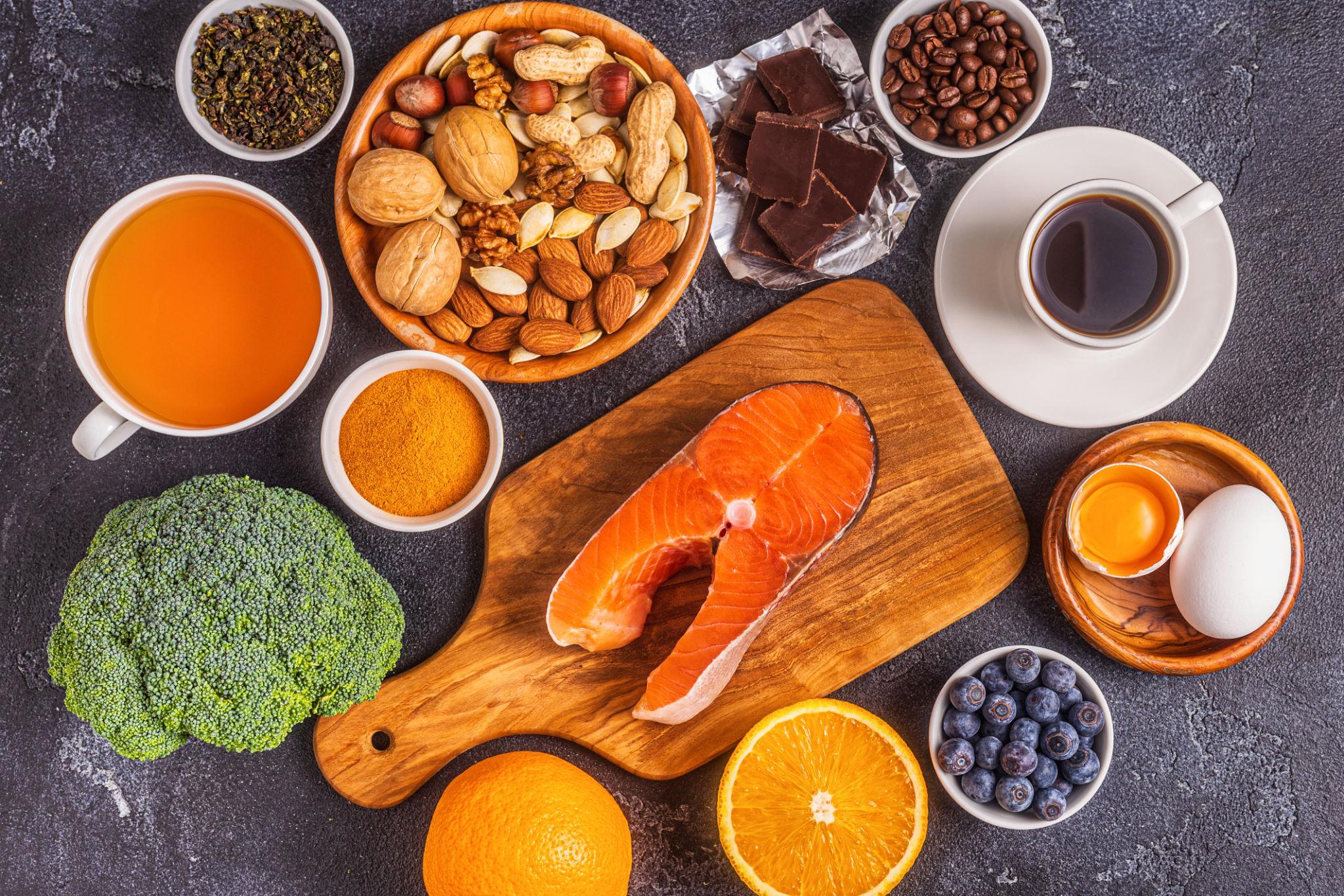
Brain health affects every part of daily life, including memory, concentration, mood, decision-making, and long-term cognitive function. While genetics and aging influence how the brain changes over time, nutrition also plays a major role in supporting mental performance and protecting neurological health.
The brain is one of the body’s most energy-demanding organs. It requires a constant supply of nutrients, healthy fats, vitamins, minerals, and antioxidants to function efficiently. Poor dietary habits may contribute to inflammation, oxidative stress, and reduced cognitive performance, while nutrient-rich foods help support brain cells, blood flow, and communication between neurons.
Research increasingly shows that long-term eating habits can influence mental clarity, emotional balance, and even the risk of age-related cognitive decline. Understanding which foods naturally support brain health can help people make better nutritional choices for both short-term focus and long-term wellness.
Why Nutrition Matters for Brain Function
The brain depends on proper nutrition to maintain:
- Memory formation
- Neurotransmitter production
- Nerve signaling
- Blood circulation
- Energy metabolism
Unlike some organs that can store large nutrient reserves, the brain relies heavily on consistent daily fuel.
Several nutritional factors directly affect cognitive performance, including:
- Blood sugar stability
- Healthy fat intake
- Antioxidant protection
- Inflammation levels
- Vitamin and mineral balance
A nutrient-dense diet helps support mental clarity, concentration, and neurological resilience over time.
Fatty Fish and Omega-3 Fatty Acids
Fatty fish are widely considered among the best foods for brain health because they are rich in omega-3 fatty acids.
Why Omega-3s Matter
The brain contains large amounts of fat, particularly omega-3 fats known as DHA and EPA. These fats help maintain:
- Brain cell structure
- Communication between neurons
- Memory function
- Nervous system health
Low omega-3 intake has been associated with cognitive decline and mood-related concerns.
Best Fish for Brain Health
Helpful options include:
- Salmon
- Sardines
- Mackerel
- Trout
- Tuna
Regular fish consumption may support memory, focus, and long-term cognitive health.
Blueberries and Antioxidant Protection
Blueberries are rich in antioxidants called flavonoids, which may help protect brain cells from oxidative stress.
How Antioxidants Support the Brain
Oxidative stress occurs when unstable molecules called free radicals damage cells over time.
This process may contribute to:
- Aging
- Cognitive decline
- Inflammation
Antioxidants help neutralize these harmful compounds.
Brain Benefits of Blueberries
Research suggests blueberries may support:
- Memory
- Learning
- Communication between brain cells
- Cognitive aging
Other antioxidant-rich berries include:
- Strawberries
- Blackberries
- Raspberries
Leafy Green Vegetables and Cognitive Function
Leafy greens provide important nutrients that support neurological health.
Key Nutrients in Leafy Greens
These vegetables contain:
- Vitamin K
- Folate
- Lutein
- Beta carotene
- Antioxidants
These compounds may help protect cognitive function as people age.
Best Leafy Greens for Brain Health
Helpful choices include:
- Spinach
- Kale
- Swiss chard
- Collard greens
- Arugula
Adding greens regularly to meals supports overall nutritional balance.
Nuts and Seeds for Brain Support
Nuts and seeds provide healthy fats, antioxidants, protein, and minerals that support cognitive performance.
Benefits of Nuts for Brain Health
Nuts may help:
- Reduce inflammation
- Support blood vessel health
- Protect brain cells
- Improve mental performance
Best Nuts and Seeds for Cognitive Function
Helpful options include:
- Walnuts
- Almonds
- Pumpkin seeds
- Chia seeds
- Flaxseeds
Walnuts are especially notable because their nutrient profile includes omega-3 fatty acids and antioxidants.
Eggs and Brain Nutrients
Eggs provide several nutrients involved in brain function.
Choline and Brain Health
Eggs are one of the best dietary sources of choline, a nutrient involved in:
- Memory
- Neurotransmitter production
- Nervous system signaling
The body uses choline to produce acetylcholine, which supports learning and memory processes.
Additional Benefits
Eggs also provide:
- B vitamins
- Protein
- Healthy fats
These nutrients contribute to stable energy and cognitive performance.
Whole Grains and Mental Energy
The brain depends heavily on glucose for energy, but blood sugar stability is important.
Why Whole Grains Matter
Whole grains digest more slowly than refined carbohydrates, providing:
- Steady energy
- Improved focus
- Better concentration
Rapid blood sugar spikes and crashes may contribute to fatigue and brain fog.
Healthy Whole Grain Options
Helpful choices include:
- Oats
- Brown rice
- Quinoa
- Whole wheat
- Barley
Whole grains also provide fiber and B vitamins that support metabolism.
Avocados and Healthy Blood Flow
Avocados contain monounsaturated fats that support cardiovascular and brain health.
Brain Benefits of Healthy Circulation
The brain relies on consistent blood flow to receive:
- Oxygen
- Nutrients
- Glucose
Healthy fats may support circulation and reduce inflammation.
Additional Nutrients in Avocados
Avocados also provide:
- Potassium
- Fiber
- Vitamin E
- Folate
These nutrients contribute to overall neurological wellness.
Dark Chocolate and Cognitive Performance
Dark chocolate contains compounds that may support mental function when consumed in moderation.
Flavonoids and Blood Flow
Cocoa contains flavonoids that may improve:
- Blood circulation
- Brain oxygenation
- Cognitive performance
Mood and Focus Benefits
Dark chocolate also contains small amounts of:
- Caffeine
- Theobromine
These compounds may temporarily improve alertness and concentration.
Chocolate with higher cocoa content generally contains more beneficial compounds and less added sugar.
Turmeric and Brain Inflammation
Turmeric contains curcumin, a compound with anti-inflammatory and antioxidant properties.
Why Inflammation Matters
Chronic inflammation may negatively affect:
- Memory
- Mood
- Cognitive aging
Reducing inflammation supports long-term neurological health.
Potential Cognitive Benefits
Research continues exploring curcumin’s role in:
- Memory support
- Mood regulation
- Brain cell protection
Turmeric is commonly used in curries, soups, and teas.
Green Tea and Mental Focus
Green tea combines moderate caffeine content with compounds that may support cognitive function.
L-Theanine and Calm Alertness
Green tea contains L-theanine, an amino acid associated with:
- Relaxation
- Focus
- Reduced mental stress
The combination of caffeine and L-theanine may promote sustained attention without the jitteriness often associated with high caffeine intake.
Fermented Foods and the Gut-Brain Connection
Emerging research highlights the connection between gut health and brain function.
The Gut-Brain Axis
The digestive system and brain communicate through:
- Hormones
- Nerve pathways
- Immune signaling
Gut bacteria may influence:
- Mood
- Stress response
- Cognitive health
Foods That Support Gut Health
Helpful fermented foods include:
- Yogurt
- Kefir
- Sauerkraut
- Kimchi
These foods provide probiotics that may support digestive balance.
Water and Cognitive Performance
Hydration is essential for mental clarity and concentration.
Even mild dehydration may negatively affect:
- Memory
- Attention
- Mood
- Processing speed
Signs of Poor Hydration
Common symptoms include:
- Brain fog
- Fatigue
- Headaches
- Reduced concentration
Consistent water intake supports optimal brain function throughout the day.
Foods That May Negatively Affect Brain Health
Certain dietary patterns may contribute to inflammation and cognitive decline over time.
Highly Processed Foods
Frequent consumption of heavily processed foods may negatively affect:
- Blood sugar stability
- Inflammation
- Metabolic health
Examples include:
- Sugary snacks
- Fast food
- Processed meats
- Sweetened beverages
Excessive Sugar Intake
Large amounts of added sugar may contribute to:
- Energy crashes
- Inflammation
- Poor concentration
Balanced nutrition supports more stable cognitive performance.
Lifestyle Factors That Work Alongside Brain-Healthy Foods
Nutrition is important, but brain health also depends on broader lifestyle habits.
Physical Activity
Exercise supports:
- Blood flow
- Memory
- Stress management
- Neuroplasticity
Sleep Quality
Sleep is essential for:
- Memory consolidation
- Cognitive recovery
- Emotional regulation
Stress Management
Chronic stress may negatively affect:
- Focus
- Mood
- Brain structure over time
Healthy stress management complements nutritional support.
Building a Brain-Healthy Diet
A brain-supportive eating pattern focuses on consistency rather than perfection.
Key Principles
Helpful habits include:
- Eating a variety of whole foods
- Prioritizing healthy fats
- Including antioxidant-rich produce
- Reducing heavily processed foods
- Staying hydrated
Balanced long-term habits matter more than individual “superfoods.”
Sample Brain-Healthy Meal Plan
Breakfast
- Oatmeal with blueberries and walnuts
- Green tea
Lunch
- Salmon salad with spinach and avocado
- Whole-grain bread
Snack
- Greek yogurt with chia seeds
Dinner
- Grilled chicken
- Brown rice
- Roasted vegetables
- Olive oil dressing
Evening Snack
- Small portion of dark chocolate
- Herbal tea
This type of meal structure supports stable energy and nutrient intake throughout the day.
The Long-Term Importance of Brain Nutrition
Brain health becomes increasingly important with age, but cognitive support should begin long before older adulthood.
Healthy dietary patterns may help:
- Preserve memory
- Support concentration
- Improve mood stability
- Reduce inflammation
- Protect long-term neurological function
Consistent nutrition supports both immediate mental performance and future brain resilience.
Conclusion
Foods that naturally support brain health provide essential nutrients that help protect cognitive function, improve mental clarity, and support long-term neurological wellness. Nutrient-dense foods such as fatty fish, berries, leafy greens, nuts, whole grains, and healthy fats contribute to better brain performance by supporting circulation, reducing inflammation, and protecting brain cells from oxidative stress.
While no single food guarantees perfect cognitive health, balanced dietary habits combined with exercise, hydration, sleep, and stress management can significantly influence mental function over time. Building a sustainable, nutrient-rich eating pattern is one of the most effective ways to support both short-term focus and long-term brain health throughout every stage of life.
FAQ
1. Which food is considered best for brain health?
Fatty fish rich in omega-3 fatty acids are often considered among the best foods for supporting brain function and cognitive health.
2. Can diet affect memory and concentration?
Yes. Nutrition strongly influences blood flow, neurotransmitter production, inflammation, and energy levels that affect memory and focus.
3. Are supplements necessary for brain health?
Some individuals may require supplements for deficiencies, but many brain-supporting nutrients can be obtained through a balanced diet.
4. Does sugar negatively affect cognitive performance?
Excessive sugar intake may contribute to blood sugar instability, inflammation, and energy crashes that affect mental clarity.
5. How does hydration influence brain function?
Proper hydration supports concentration, memory, mood, and cognitive processing speed.
6. Can gut health affect the brain?
Yes. The gut and brain communicate closely through the gut-brain axis, and digestive health may influence mood and cognitive function.
7. Is coffee good or bad for brain health?
Moderate coffee intake may support alertness and focus for many people, although excessive caffeine can contribute to anxiety or sleep disruption.